When you become a new parent, you want to track everything — and you should. But what, when, and how? Without a system, it quickly becomes chaos.
Here's a practical guide by age.
0–6 months: the most intensive period
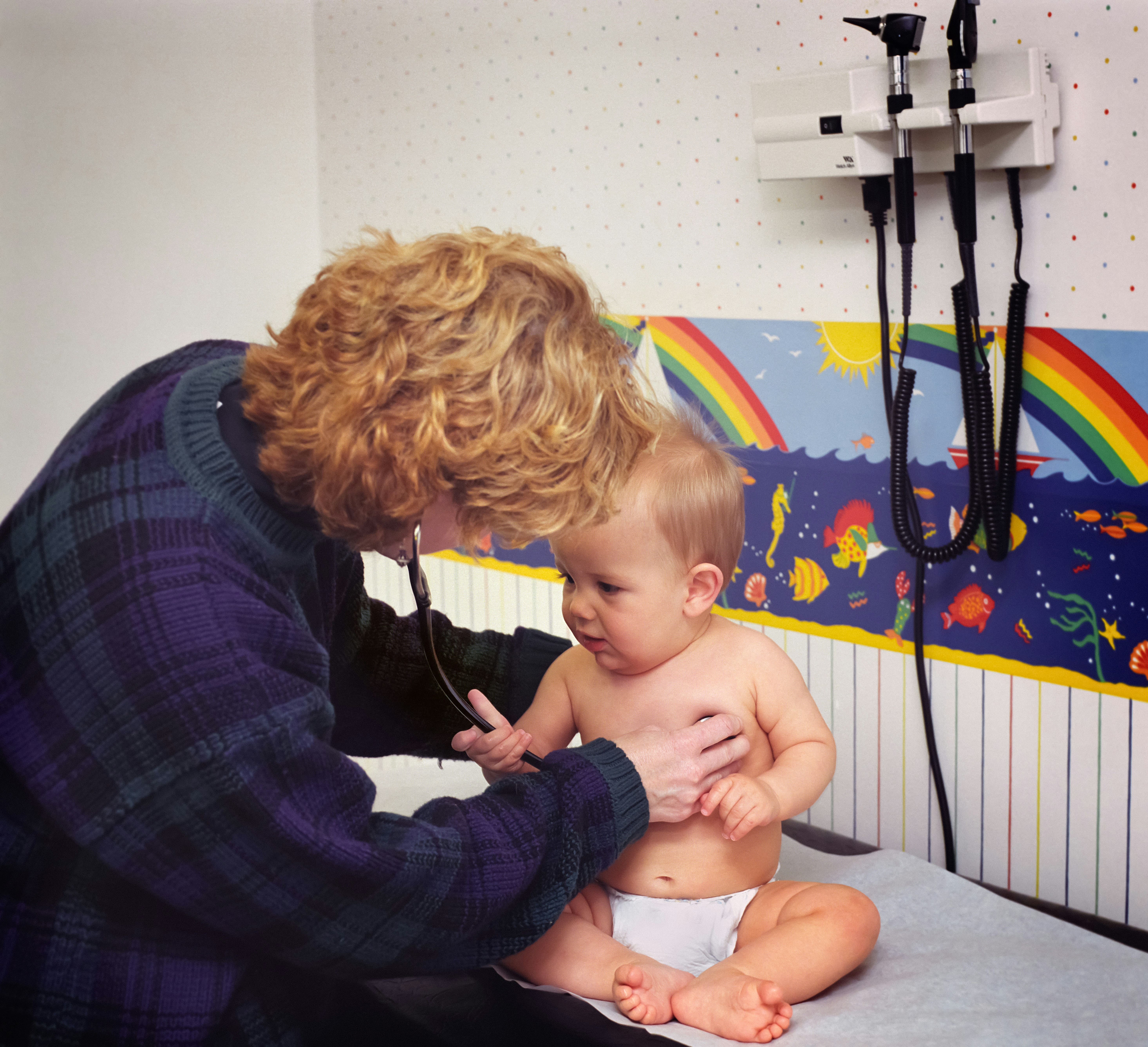
Your baby changes rapidly during this phase. Doctor visits are frequent, and observations are critical.
Record monthly:
- Height and weight — to track the growth curve
- Sleep duration and patterns — is a night/day distinction forming?
- Fever and symptoms — every sign, with the date
Why it matters: Your pediatrician evaluates growth at every visit. If you have records, your appointment becomes far more productive. Saying "last month she was 5.2 kg, now she's 6.1" is very different from "I think she gained a bit."
6–12 months: solids and sleep transition
This is when your baby starts exploring the world, sleep patterns settle, and first teeth appear.
Record every 45 days:
- Height and weight
- Sleep hours — is daytime sleep decreasing?
- New symptoms — teething, first cold
Watch for: Solid foods usually begin around 6 months. Weight gain may slow during this period — that's normal. But if there's a large deviation from the growth curve, consult your doctor.
1–2 years: mobility and independence
Walking, touching everything, putting everything in their mouth.
Record every 3 months:
- Height and weight
- Sleep patterns — how many hours at night?
- Recurring symptoms — ear pain, allergy signs
2–5 years: routine monitoring
Growth slows down, but don't stop tracking.
Record every 6 months:
- Height and weight
- Sleep hours
- Seasonal symptoms
Why is sleep tracking so important?
Sleep is critical for brain development. In children aged 0–3, sleep patterns can be an indicator of neurological development. Track "how many times did they wake up last night?" before your doctor even asks.
In Momena, you can record every sleep session with the sleep timer and see patterns in charts. Live Activity support is available for iOS 16.1 and later — track from your lock screen without unlocking.
Practical tip: record symptoms with the date
"They had a fever last week" is very different from "38.2°C on March 14th" — and that difference matters to your doctor's diagnosis. In Momena, symptom entries include both date and value, so you can always look back.
All your data is encrypted and stored only on your device.